
Eye Conditions: Understanding Common Eye Conditions & Vision Changes
Maintaining good vision starts with understanding your eye health and recognising how different eye conditions can affect the eyes over time. Some conditions develop gradually with age, while others may be influenced by genetics, lifestyle, or environmental factors.
At Dolphins Optometrists, we help patients better understand and manage a wide range of common eye conditions through advanced diagnostic technology, personalised care, and ongoing monitoring. Early detection is often one of the most important factors in protecting long-term vision and supporting effective treatment outcomes.
Whether you are concerned about changes in vision, researching a specific condition, or looking for professional guidance and support, our experienced team is here to help you better understand your eye health and the options available to you.
What Are Eye Conditions?
Eye conditions are problems or disorders that affect the health, structure, or function of the eyes. Some conditions may have only a minor impact on daily life, while others can gradually affect vision more significantly if left untreated.
There is a wide list of eye conditions that can affect people at different stages of life. Some are linked to ageing, while others may develop due to genetics, lifestyle factors, or underlying health conditions. Certain conditions may progress slowly without noticeable symptoms during the early stages, making regular eye examinations essential for early detection and monitoring.
We use advanced diagnostic technology to assess the eyes in detail and help identify subtle changes that may indicate developing eye conditions. Through routine examinations and ongoing care, we help patients better understand and manage their long-term eye health.
Common Eye Conditions
There are many different common eye conditions that can affect vision and eye comfort. While some conditions are relatively minor and easily managed, others require ongoing monitoring or specialist treatment to help protect long-term vision.
Some of the most common conditions include dry eye disease , glaucoma, cataracts, astigmatism, myopia, hypermetropia, presbyopia, blepharitis and age-related macular degeneration (AMD). Each condition affects the eyes differently and may require a personalised approach to monitoring and treatment.
Understanding how these conditions develop and recognising when professional support may be needed can play an important role in maintaining healthy vision and reducing the risk of long-term complications.

Dry Eye Disease
Dry eye Disease is one of the most frequently diagnosed eye conditions and can significantly affect day-to-day comfort and quality of life. The condition occurs when the eyes do not produce enough tears or when the quality of the tear film is poor, causing the surface of the eye to become irritated and inflamed.
Symptoms may include irritation, burning sensations, redness, fluctuating vision, excessive watering, and discomfort during activities such as reading, driving, or prolonged screen use. While some cases are mild, others can become persistent and increasingly uncomfortable if left unmanaged.
Modern lifestyles can often contribute to dry eye disease . Increased screen use, air conditioning, environmental factors, contact lens wear, ageing, and hormonal changes may all affect tear production and tear quality over time. In some cases, underlying health conditions or medications can also play a role.
At Dolphins Optometrists, we provide detailed assessments designed to identify the underlying causes of dry eye disease and recommend personalised treatment plans tailored to each patient.
Advanced red light therapy treatments such as IPL (Intense Pulsed Light) & LLLT( Low-Level Light Therapy), as well as lid cleansing treatments such as BlephEx, and ZEST are some of the treatments we offer that can help improve tear quality, reduce inflammation, and support healthier eye function long term.

Blepharitis
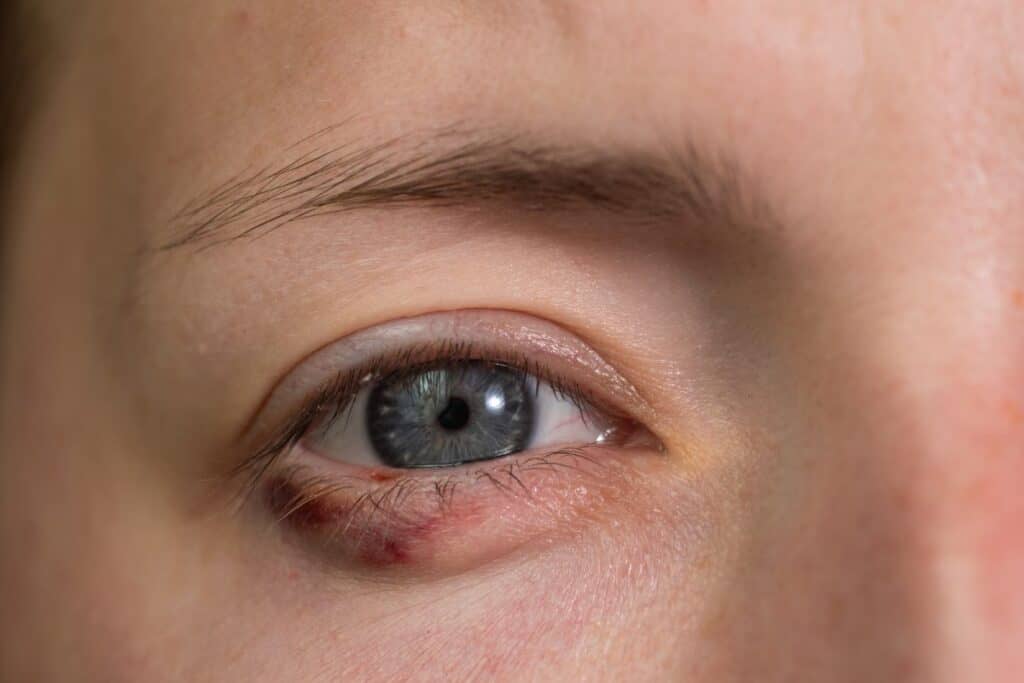
Blepharitis is a common eye condition that causes inflammation of the eyelid margins and is often closely associated with dry eye disease. It can occur when bacteria, debris, or a build-up of oils around the eyelids interfere with the normal function of the meibomian glands, which help produce the oily layer of the tear film. Symptoms can include red, sore or itchy eyelids, crusting around the eyelashes, a gritty sensation, watery eyes, and irritation. At Dolphins Optometrists, we assess for blepharitis as part of our dry eye evaluations and offer advanced treatments, including BlephEx and ZEST eyelid cleansing, to improve eyelid hygiene, support healthier gland function, and help relieve ongoing symptoms.
Myopia Management
Myopia management is becoming increasingly important as the prevalence of short-sightedness continues to rise, particularly among children and young adults. Myopia causes distant objects to appear blurred while close objects remain clear, and the condition can gradually worsen over time if left unmanaged.
Modern lifestyles, including increased screen use, more time spent focusing on close-up tasks, and reduced time outdoors, are all thought to contribute to the growing prevalence of myopia. As the condition progresses, higher levels of myopia may increase the risk of more serious eye conditions later in life, including retinal problems and glaucoma.
This is why early diagnosis and ongoing monitoring are so important. Through regular eye examinations and personalised support, optometrists can carefully track changes in vision and recommend strategies designed to help slow progression and protect long-term eye health.
We provide personalised myopia management solutions tailored to each patient’s needs. Our proactive approach focuses not only on improving visual clarity, but also on supporting healthier long-term outcomes for children and young adults experiencing short-sightedness.
AMD Treatment & Macular Degeneration
Age-related macular degeneration (AMD) is a condition that affects the macula, the central part of the retina responsible for detailed vision. AMD can gradually impact activities such as reading, driving, recognising faces, and seeing fine detail clearly. It is one of the leading causes of vision loss in older adults.
There are two main forms of AMD: dry AMD and wet AMD, with dry AMD being the more common type. The condition often develops gradually during the early stages, meaning some patients may not initially notice significant changes in their vision. As AMD progresses, central vision may become blurred or distorted, making everyday activities more difficult.
At Dolphins Optometrists, we provide advanced AMD treatment and ongoing monitoring to help support retinal health and preserve visual function. Early diagnosis plays a particularly important role in managing AMD effectively and helping patients maintain independence and confidence in their vision.
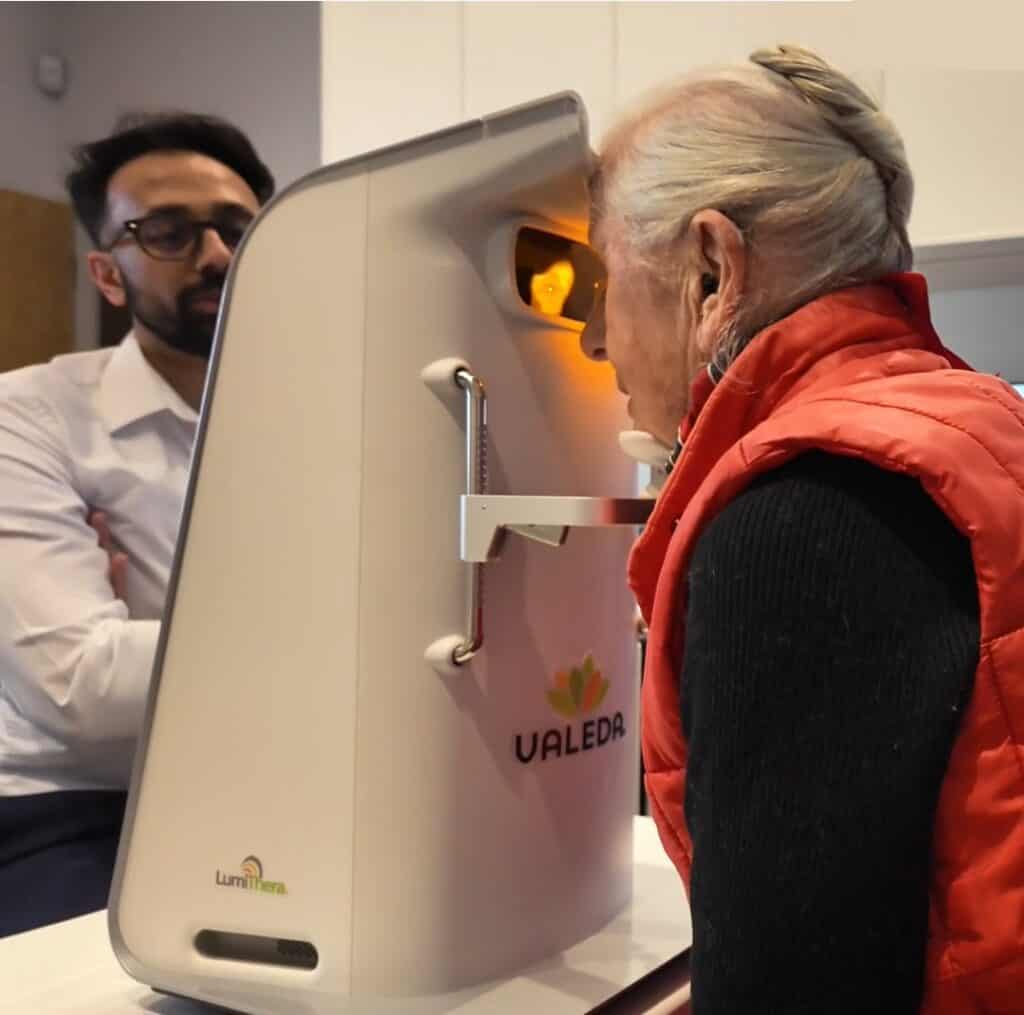
One of the advanced treatment options we offer is the Valeda Light Delivery System, an innovative therapy designed to support retinal cell function in patients with dry AMD. Combined with regular monitoring and personalised care, this allows patients to access some of the latest developments in modern eye care technology.
Astigmatism & Astigmatism Tests
Astigmatism is a very common eye condition caused by an irregular curvature of the eye, which can lead to blurred or distorted vision at different distances. Some people may experience headaches, eye strain, or difficulty focusing clearly during close work or screen use.
An astigmatism test forms part of a comprehensive eye examination and helps determine whether the shape of the eye is affecting visual clarity. At Dolphins Optometrists, we use advanced diagnostic equipment to assess vision accurately and provide personalised recommendations to improve comfort and clarity.
Astigmatism can often be corrected effectively through glasses or contact lenses tailored to the patient’s prescription and visual needs.
What Is Glaucoma and What Causes It?
Many patients ask, what is glaucoma and what causes it? Glaucoma is a group of eye conditions that can damage the optic nerve, often linked to increased pressure within the eye. Over time, this damage can affect vision permanently if not identified and managed early.
One of the biggest challenges with glaucoma is that it often develops slowly and without noticeable symptoms during the early stages. Because vision changes may not become obvious until the condition has progressed further, regular eye examinations are extremely important for early detection and ongoing monitoring.
Factors that may increase the risk of glaucoma include ageing, family history, certain medical conditions, and increased eye pressure. Some people may be more vulnerable to developing glaucoma without realising it, particularly if there is a history of the condition within the family.
At Dolphins Optometrists, we use advanced diagnostic tools, including OCT scanning and detailed retinal imaging, to assess optic nerve health and monitor for early signs of glaucoma. Detecting subtle changes early allows for more proactive management and improved long-term protection of vision.
Flexible payments options for eye care and glasses
At Dolphins Optometrists we believe that excellent eye care should also be practical and accessible. That is why we offer Care Plans. Our care packages provide both clinical support and excellent value for patients who want consistent, high quality eye care. We can tailor these to help meet your needs allowing you to pursue the best available.
Why Early Detection Matters
Many eye conditions develop gradually and without obvious warning signs during the early stages. This is why early detection plays such an important role in protecting long-term vision and supporting effective treatment outcomes.
Routine eye examinations allow optometrists to monitor subtle changes in eye health over time and identify potential concerns before they begin to impact vision more significantly. Conditions such as glaucoma and AMD often benefit from earlier diagnosis and ongoing monitoring.
We take a proactive approach to eye health by combining advanced technology with personalised support and detailed assessments. This allows us to provide patients with greater reassurance and clearer understanding of their eye health.
Advanced Technology for Eye Conditions
Technology plays a major role in diagnosing and monitoring modern eye conditions. We use advanced diagnostic equipment including OCT (Optical Coherence Tomography) scanning, wide field retinal imaging, and specialist assessment tools to examine the eyes in exceptional detail.
These technologies allow us to identify subtle changes that may not be visible during a standard eye examination alone, helping support earlier diagnosis and more effective long-term monitoring.
Advanced imaging also helps patients better understand their own eye health by allowing findings to be explained visually and clearly during appointments.
By combining advanced technology with professional expertise, we provide a more detailed and proactive approach to protecting long-term vision and eye health.
Book Your Eye Health Appointment Today
If you are concerned about changes in your vision, researching common eye conditions, or simply due a routine examination, our experienced team is here to help.
Book your appointment at Dolphins Optometrists today and take a proactive step towards protecting your long-term eye health and vision.
Eye Conditions FAQs
What are the most common eye conditions?
Some of the most common eye conditions include glaucoma, cataracts, dry eye disease, myopia, and age-related macular degeneration.
What is dry eye disease?
Dry eye disease occurs when the eyes do not produce enough tears or when tear quality is poor, leading to irritation, redness, and fluctuating vision.
What is glaucoma and what causes it?
Glaucoma is a condition that damages the optic nerve, often linked to increased pressure within the eye. Risk factors can include ageing, family history, and certain health conditions.
What are common cataract symptoms?
Common cataract symptoms include cloudy vision, glare sensitivity, reduced night vision, and colours appearing duller over time.
What is myopia management?
Myopia management involves monitoring and slowing the progression of short-sightedness to support healthier long-term vision, particularly in children and young adults.
EXCELLENT Based on 21 reviews
 Posted on Google
 KMW WilsonI called on the off chance that Dolphins Opticians could assist me with a set of Sports Glasses (Squash/Tennis). The Dolphins team were friendly and only too willing to assist. Their knowledge of what was available to me was second to none. Thank you for all your help.Posted on Google
 Fern ShorrocksVery friendly, efficient, knowledgeable and professional staff members. Highly recommendable.Posted on Google
 virginia edwardsNever had such a thorough eye ‘test’. The optometrist was extremely friendly. The ‘health’ of my eyes was also thoroughly examined. Various tests were done using state of the art technology. I was shown the results and the X-rays were discussed. I was then taken to meet a lovely lady who took her time showing me their extensive range of frames. She helped me choose a pair that suited me. The range they have is unbelievable. If you like the frame but want another colour, they can get it. Even the time she spent on ensuring they would fit right was thorough. Measuring various aspects ie pupil distance etc. I would not hesitate to recommend them and will be loyal customer going forward.Posted on Google
 AdrianaLovely practice in Haywards Heath, I was very impressed with how comprehensive and thorough my eye test was. The team at Dolphins are highly experienced and extremely diligent. They are also super friendly too. Thank you for taking care of me.Posted on Google
 Janet L MillisDolphin optometrists offer a truly comprehensive level of eye examinations and have cared for my eyes and vision for many years. The whole team is very welcoming, caring and professional. I wouldn’t hesitate to recommend them.Posted on Google
 Joana FreireThe most comprehensive, thorough eye test I've ever done. The team at Dolphins are world-class, highly experienced, and use the most advanced equipment. They are also extremely diligent, dedicated and friendly. I'd rate it 10/10.Posted on Google
 Susan “Miss sunshine” IzzardHello everyone, just dropping in. if you’re looking for a new place to register for your optometrist. I would recommend as they are all supportive within the team and very helpful. even the little things as well.Posted on Google
 Nejad BagherzadehTheir eye examination is comprehensive and the staff are friendly and professional. Dolphins’ subscription plan must have contributed to their popularity; for £8 a month you get a free eye examination and 10% off purchasesPosted on Google
 chris hillierReally friendly and efficient carePosted on Google
 Jacqui BloomThe best!


